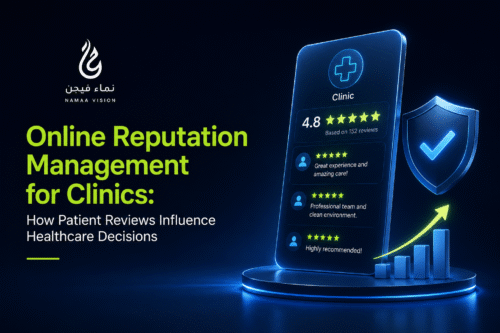
For many patients, the first interaction with your clinic doesn’t happen through a phone call or a website—it happens on Google. Before scheduling an appointment, patients search for nearby healthcare providers, compare ratings, read reviews, and evaluate whether they can trust a clinic with their health.
Google Reviews have become one of the most powerful factors influencing patient decisions. A clinic with hundreds of authentic positive reviews immediately appears more credible than one with only a handful of ratings, even if both offer the same quality of care.
However, increasing Google Reviews isn’t about asking every patient to leave feedback or using unethical shortcuts. It requires a structured strategy focused on delivering exceptional patient experiences, making the review process effortless, and maintaining a professional online reputation.
In this guide, you’ll learn why Google Reviews matter, how they impact your clinic’s growth, and the best practices for increasing reviews professionally while staying compliant with Google’s guidelines.
Why Google Reviews Matter for Clinics
Healthcare decisions are built on trust.
When patients search for a doctor or medical center, they often know very little about the clinic itself. Reviews help bridge that information gap by providing real experiences from previous patients.
Positive Google Reviews help clinics:
- Build credibility
- Increase patient confidence
- Improve local search rankings
- Generate more appointment bookings
- Strengthen their online reputation
- Reduce patient acquisition costs (CPA)
For many patients, reviews are just as important as recommendations from family or friends.
How Google Reviews Influence Patient Decisions
Patients rarely choose the first clinic they see.
Instead, they compare several providers based on factors such as:
- Overall star rating
- Number of reviews
- Recent patient experiences
- Doctor professionalism
- Staff friendliness
- Waiting times
- Clinic cleanliness
- Appointment organization
The clinic with the strongest combination of positive reviews and professional responses often wins the patient’s trust.
Google Reviews and Local SEO
Google Reviews do more than influence patient decisions—they also improve your visibility in local search results.
Google considers several review-related factors when ranking local businesses, including:
- Number of reviews
- Review frequency
- Overall rating
- Review quality
- Review relevance
- Business owner responses
Clinics with active review profiles are more likely to appear in Google Maps and the Local Pack, increasing their chances of attracting new patients.
What Makes Patients Leave Reviews?
Patients are most likely to leave reviews when they experience:
- Excellent medical care
- Friendly staff
- Easy appointment scheduling
- Short waiting times
- Clear communication
- Comfortable facilities
- Positive treatment outcomes
Exceptional experiences naturally encourage positive feedback.
The key is making the review process simple while asking at the right moment.
Ask at the Right Time
Timing plays a significant role in review generation.
The best time to request a review is shortly after a positive patient experience.
Examples include:
- After a successful consultation
- Following treatment completion
- During follow-up communication
- After receiving positive verbal feedback
Patients who express satisfaction are often willing to share their experience online if asked politely.
Make Leaving a Review Easy
Many satisfied patients never leave reviews because the process feels inconvenient.
Reduce friction by providing direct access.
Effective methods include:
- Sending a direct Google Review link via SMS
- Including review links in follow-up emails
- Using QR codes at reception
- Adding review buttons on your website
- Including links in WhatsApp follow-up messages
The fewer steps involved, the more likely patients are to complete the review.
Train Your Team to Request Reviews
Front desk staff and patient coordinators interact with patients every day.
Teaching them how to ask professionally can significantly increase review volume.
A simple request such as:
“We’re glad you had a positive experience today. If you have a moment, we’d really appreciate it if you shared your feedback on Google.”
is often enough.
The request should feel genuine rather than scripted.
Automate the Review Process
Automation helps clinics collect reviews consistently without increasing staff workload.
Many clinics use CRM systems or patient communication platforms to automatically send review requests after appointments.
Automated workflows can include:
- Thank-you messages
- Follow-up emails
- SMS reminders
- Direct Google Review links
Consistency produces better long-term results than occasional review campaigns.
Never Buy Google Reviews
Some businesses attempt to accelerate growth by purchasing fake reviews.
This is a serious mistake.
Fake reviews violate Google’s policies and can lead to:
- Review removal
- Lower search rankings
- Suspended Business Profiles
- Damaged patient trust
Authenticity always outperforms manipulation.
Real patient experiences build long-term credibility.
Avoid Incentivizing Reviews
Offering discounts, gifts, or rewards in exchange for reviews is also discouraged.
Patients should leave reviews because they genuinely want to share their experience—not because they expect compensation.
Instead of incentives, focus on delivering exceptional care that naturally motivates patients to provide positive feedback.
Respond to Every Review
One of the easiest ways to strengthen your online reputation is by responding consistently.
Whether reviews are positive or negative, patients appreciate seeing an engaged clinic.
Responses demonstrate that you value patient feedback.
Responding to Positive Reviews
Positive review responses don’t need to be lengthy.
A simple, personalized thank-you message is often enough.
For example:
“Thank you for your kind words. We’re delighted to hear you had a positive experience with our team. We appreciate your trust and look forward to caring for you again.”
These responses reinforce patient relationships while encouraging others to leave reviews.
Responding to Negative Reviews Professionally
Negative reviews are inevitable.
The goal isn’t to eliminate them but to handle them professionally.
When responding:
- Stay calm
- Remain respectful
- Thank the reviewer
- Acknowledge their concerns
- Avoid discussing confidential information
- Offer to continue the conversation privately
Professional responses demonstrate accountability and often leave a stronger impression than the review itself.
Encourage Detailed Reviews
Detailed reviews help future patients understand what they can expect.
Patients often mention:
- Doctor communication
- Staff friendliness
- Appointment efficiency
- Treatment quality
- Facility cleanliness
- Overall experience
Rich, descriptive reviews provide stronger social proof than simple star ratings.
Showcase Reviews Across Your Marketing Channels
Google Reviews shouldn’t remain visible only on Google.
Repurpose them across your digital presence.
Display reviews on:
- Your website
- Landing pages
- Social media
- Email newsletters
- Digital advertisements
Testimonials reinforce trust throughout the patient journey.
Monitor Your Review Performance
Successful reputation management requires ongoing monitoring.
Track key metrics such as:
- Total number of reviews
- Average star rating
- Monthly review growth
- Review response rate
- Average response time
- Positive-to-negative review ratio
Regular monitoring helps identify opportunities for improvement.
Common Mistakes Clinics Should Avoid
Many clinics unintentionally limit their review growth by making avoidable mistakes.
Common examples include:
- Never asking patients for reviews
- Requesting reviews inconsistently
- Ignoring negative feedback
- Copying generic responses
- Purchasing fake reviews
- Offering incentives
- Failing to update Google Business Profile information
- Waiting too long before requesting feedback
Avoiding these mistakes strengthens both credibility and patient trust.
Build a Review Culture
Rather than treating reviews as occasional marketing campaigns, successful clinics make them part of their daily operations.
Every positive patient interaction becomes an opportunity to request honest feedback.
Front desk teams, healthcare providers, and patient coordinators all contribute to creating experiences worth reviewing.
When review generation becomes part of your clinic’s culture, growth happens naturally and consistently.
The Long-Term Value of Google Reviews
Google Reviews continue working long after they’re published.
Each authentic review contributes to:
- Higher search visibility
- Greater patient trust
- Increased appointment bookings
- Improved conversion rates
- Stronger online reputation
- Lower patient acquisition costs
Unlike paid advertising, reviews remain valuable over time and continue influencing future patients.
The larger your collection of genuine reviews, the stronger your competitive advantage becomes.
Final Thoughts
Google Reviews have become one of the most influential factors in healthcare marketing. They shape patient perceptions, improve local search visibility, strengthen credibility, and directly impact appointment bookings.
The most effective strategy for increasing reviews isn’t aggressive marketing—it’s delivering exceptional patient experiences, making the review process effortless, responding professionally to every review, and maintaining a consistent reputation management strategy.
At Namaa Vision, we help clinics and medical centers build powerful online reputations through Local SEO, Google Business Profile optimization, patient review strategies, and digital marketing solutions that drive sustainable growth. By implementing the right review management strategy, your clinic can attract more patients, improve search visibility, and establish lasting trust in an increasingly competitive healthcare market.