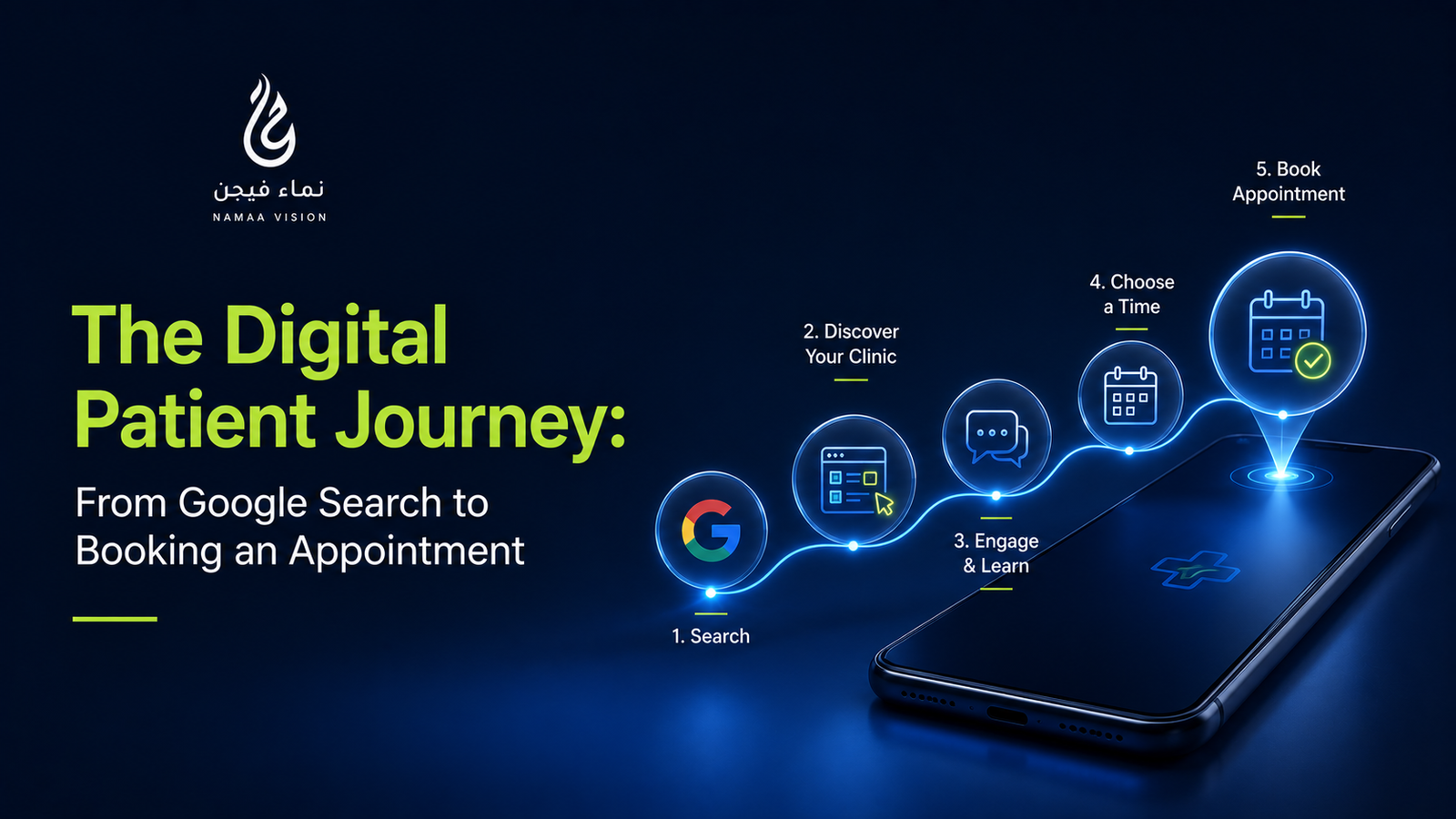
In today’s digital-first healthcare landscape, your clinic’s reputation extends far beyond word-of-mouth referrals. Before scheduling an appointment, most patients search online, compare healthcare providers, read reviews, and evaluate ratings. In many cases, a patient will form an opinion about your clinic before ever visiting your website or speaking to your staff.
This is why Online Reputation Management (ORM) has become one of the most important aspects of healthcare marketing. A strong online reputation builds trust, attracts new patients, improves local search visibility, and increases appointment bookings. On the other hand, negative reviews, unanswered complaints, or an inactive online presence can discourage potential patients and drive them toward competitors.
In this guide, we’ll explore how patient reviews influence healthcare decisions, why reputation management matters, and the practical strategies clinics can use to build and protect a trustworthy online reputation.
What Is Online Reputation Management?
Online Reputation Management (ORM) is the process of monitoring, maintaining, and improving how your clinic is perceived across digital platforms.
It involves managing your clinic’s presence on:
- Google Business Profile
- Healthcare directories
- Social media platforms
- Review websites
- Search engine results
- Online forums and communities
The goal is not simply to collect positive reviews but to create a consistent, trustworthy image that gives patients confidence in choosing your clinic.
Why Online Reputation Matters in Healthcare
Healthcare is built on trust.
Unlike many purchasing decisions, patients aren’t simply buying a product—they’re placing their health, comfort, and safety in the hands of medical professionals.
Before making that decision, they look for evidence that your clinic is reliable.
Your online reputation provides that evidence.
A positive reputation can:
- Increase patient trust
- Improve appointment bookings
- Strengthen brand credibility
- Support higher Google rankings
- Reduce patient acquisition costs (CPA)
- Encourage patient referrals
A poor reputation can have the opposite effect, even if your medical care is excellent.
How Patients Use Reviews Before Choosing a Clinic
Most patients follow a similar decision-making process.
They search for a clinic on Google, compare several providers, and begin reading reviews.
They pay attention to factors such as:
- Overall star rating
- Number of reviews
- Recent patient experiences
- Staff professionalism
- Doctor communication
- Waiting times
- Clinic cleanliness
- Appointment organization
Patients often read both positive and negative reviews before making a decision.
Authentic feedback helps them feel more confident about what to expect.
The Psychology Behind Patient Reviews
Reviews reduce uncertainty.
Healthcare decisions often involve anxiety, fear, or significant financial investment.
Patients naturally seek reassurance before committing to treatment.
When they see dozens or hundreds of positive experiences from real patients, their confidence increases.
Reviews provide social proof.
Instead of relying solely on marketing messages, prospective patients trust the experiences of others who have already visited the clinic.
Google Reviews: The Most Influential Trust Signal
Among all review platforms, Google Reviews have the greatest impact on local healthcare decisions.
They appear directly in Google Search and Google Maps, making them one of the first things patients see.
A strong Google Business Profile with consistent positive reviews can significantly improve both visibility and conversion rates.
Patients often compare:
- Average rating
- Number of reviews
- Review quality
- Response from the clinic
- Photos uploaded by patients
These factors influence whether someone clicks on your clinic or continues searching.
Why Quantity and Quality Both Matter
A perfect five-star rating with only a few reviews may seem less convincing than a 4.8-star rating supported by hundreds of authentic patient experiences.
Patients value consistency.
Regular positive reviews demonstrate that excellent service isn’t a one-time occurrence but part of the clinic’s ongoing patient experience.
Encouraging continuous feedback is more valuable than collecting reviews only occasionally.
The Impact of Negative Reviews
Every clinic receives negative feedback at some point.
A single negative review rarely damages your reputation.
What matters is how you respond.
Ignoring complaints or responding defensively can create more damage than the review itself.
Professional, respectful responses demonstrate accountability and patient care.
Prospective patients often evaluate your responses as carefully as the reviews themselves.
How to Respond to Negative Reviews Professionally
When responding to criticism:
- Thank the reviewer for their feedback.
- Remain calm and professional.
- Avoid discussing confidential medical information.
- Acknowledge the patient’s concerns.
- Offer to continue the conversation privately.
- Demonstrate a willingness to improve.
A thoughtful response can rebuild trust with both the reviewer and future patients reading the conversation.
Never Ignore Positive Reviews
Positive reviews deserve attention too.
Responding to satisfied patients shows appreciation and reinforces your commitment to patient care.
Simple responses such as thanking patients for their trust help strengthen relationships and encourage others to leave feedback.
Active engagement demonstrates that your clinic values every patient’s experience.
How Online Reputation Influences Local SEO
Google considers reputation when determining local search rankings.
Clinics with:
- More reviews
- Higher ratings
- Frequent review activity
- Active profile management
often perform better in local search results.
This means reputation management doesn’t only build trust—it also improves visibility.
Better visibility leads to more website visits, more inquiries, and ultimately more appointment bookings.
Common Reputation Management Mistakes
Many clinics unintentionally damage their online reputation by making avoidable mistakes.
These include:
- Ignoring reviews
- Responding emotionally
- Having outdated clinic information
- Failing to update business hours
- Using inconsistent branding
- Allowing unanswered patient complaints
- Collecting reviews only during marketing campaigns
- Not monitoring online mentions
Consistency is essential for maintaining credibility.
Encourage Reviews Ethically
The best reviews come from satisfied patients.
Instead of purchasing reviews or offering incentives, create a simple process that encourages genuine feedback.
For example:
- Ask patients after successful appointments.
- Send automated follow-up emails.
- Include review links in SMS reminders.
- Display QR codes at reception.
- Train staff to request reviews naturally.
Patients are often willing to leave reviews—they simply need a reminder.
The Role of Social Media in Reputation Management
Your reputation extends beyond Google.
Patients also evaluate your clinic through social media.
They look for:
- Educational content
- Patient engagement
- Professional branding
- Community involvement
- Responsiveness to messages
Consistent activity reinforces credibility and demonstrates that your clinic is active and trustworthy.
Website Trust Signals That Support Your Reputation
Your website should reinforce the confidence patients gain from reviews.
Include trust-building elements such as:
- Doctor profiles
- Professional certifications
- Patient testimonials
- Before-and-after galleries (where appropriate)
- Awards and recognitions
- Clinic photos
- Frequently Asked Questions
- Clear contact information
Every page should reassure visitors that they are making the right choice.
Reputation Management During a Crisis
Unexpected situations can affect a clinic’s reputation.
Examples include:
- Appointment scheduling issues
- Staff shortages
- Long waiting times
- Service interruptions
- Public misunderstandings
Transparent communication is essential during these moments.
Address concerns honestly, communicate updates promptly, and demonstrate a commitment to resolving issues.
Patients appreciate honesty and accountability.
Monitoring Your Online Reputation
Effective reputation management requires continuous monitoring.
Regularly check:
- Google Reviews
- Google Business Profile insights
- Healthcare review platforms
- Social media comments
- Direct patient feedback
- Search engine results
Early detection allows clinics to address issues before they become larger problems.
Measuring Reputation Performance
Track these key performance indicators to evaluate your online reputation:
- Average Google rating
- Total number of reviews
- Monthly review growth
- Review response rate
- Average response time
- Patient satisfaction scores
- Website conversion rate
- Local search rankings
- Appointment bookings
- Referral growth
Monitoring these metrics helps determine whether your reputation strategy is producing meaningful business results.
Building a Reputation Patients Trust
Strong online reputations are built over time through consistent patient experiences.
Marketing can attract attention, but patient care creates lasting trust.
Clinics that consistently provide excellent service naturally generate positive reviews, referrals, and loyal patients.
Every interaction matters—from the first phone call to post-treatment follow-up.
When patient expectations are consistently met or exceeded, positive feedback becomes a natural outcome rather than something the clinic has to request aggressively.
The Long-Term Value of Reputation Management
Unlike paid advertising, a strong reputation continues to generate value long after reviews are published.
Positive reviews improve:
- Search visibility
- Patient confidence
- Conversion rates
- Referral opportunities
- Brand authority
Over time, a well-managed reputation reduces dependence on advertising because trust itself becomes one of the clinic’s strongest marketing assets.
Final Thoughts
Online reputation management is no longer optional for healthcare providers. Patients rely heavily on reviews, ratings, and digital experiences when choosing a clinic, making your online reputation one of the most influential factors in their decision-making process.
By actively monitoring reviews, responding professionally, encouraging authentic patient feedback, and consistently delivering exceptional patient experiences, clinics can strengthen trust, improve local search visibility, and increase appointment bookings.
At Namaa Vision, we help clinics and medical centers build and protect their online reputation through strategic reputation management, Local SEO, content marketing, and patient engagement strategies. A trusted reputation doesn’t just attract more patients—it builds long-term relationships that support sustainable growth for your practice.